
What Homeowners Need to Know About Tree Relocation Service
Relocating a mature tree can feel intimidating, especially when it carries sentimental, aesthetic, or environmental value. Many homeowners worry about cost, tree survival, and whether moving a tree is even possible. A professional tree service offers a way to preserve trees while still meeting property goals.
Knowing What Tree Service Involves
Tree relocation service refers to the professional process of moving an established tree from one location to another while keeping it alive and healthy. Unlike simple replanting of young saplings, this process involves careful planning, specialized equipment, and horticultural knowledge. The goal is to minimize stress on the tree and support successful re-establishment in its new location.
For homeowners, this service is often considered when construction plans threaten existing trees or when landscaping changes call for repositioning rather than removal. A relocation service typically includes site evaluation, root preparation, excavation, transport, and post-move care. Each step plays a role in whether the tree adapts well after the move.
Understanding what’s involved helps homeowners set realistic expectations and make informed decisions before committing to the process.
Recognizing When Tree Relocation Makes Sense
Not every tree is a good candidate for relocation, and not every situation calls for it. Homeowners often explore this option when trees have significant personal, environmental, or financial value. Mature shade trees, memorial trees, or rare species are common examples.
Tree relocation may also be considered when a tree interferes with planned additions, driveways, or utility work. In some cases, homeowners associations or local regulations encourage preservation over removal, making relocation an appealing alternative.
Timing matters as well. Trees generally respond better to relocation during dormant seasons, such as late fall or early spring. Climate, soil conditions, and tree health all influence whether relocation is practical. Evaluating these factors early helps avoid unnecessary expense or disappointment.
Appreciating the Environmental Benefits
Preserving existing trees supports broader environmental goals, especially as communities place greater emphasis on conservation. According to 1t.org US Impact Report 2024, US-based entities have pledged to conserve, restore, and grow over 59 billion trees, with over 1.3 billion trees restored or growing already. That statistic highlights a growing recognition of trees as critical infrastructure rather than disposable landscaping.
Relocating a tree instead of cutting it down helps maintain carbon sequestration, air quality, and wildlife habitat. Mature trees, in particular, provide benefits that young plantings can’t replicate for decades. For homeowners who value sustainability, relocation aligns personal property decisions with larger conservation efforts. A tree relocation service allows homeowners to contribute to these benefits while still adapting their property to changing needs.
Learning How the Relocation Process Works
The relocation process begins with an assessment of the tree’s species, size, health, and root structure. Professionals evaluate whether the tree can survive the move and determine the appropriate equipment and timeline. Root pruning may occur weeks or months in advance to encourage compact root growth.
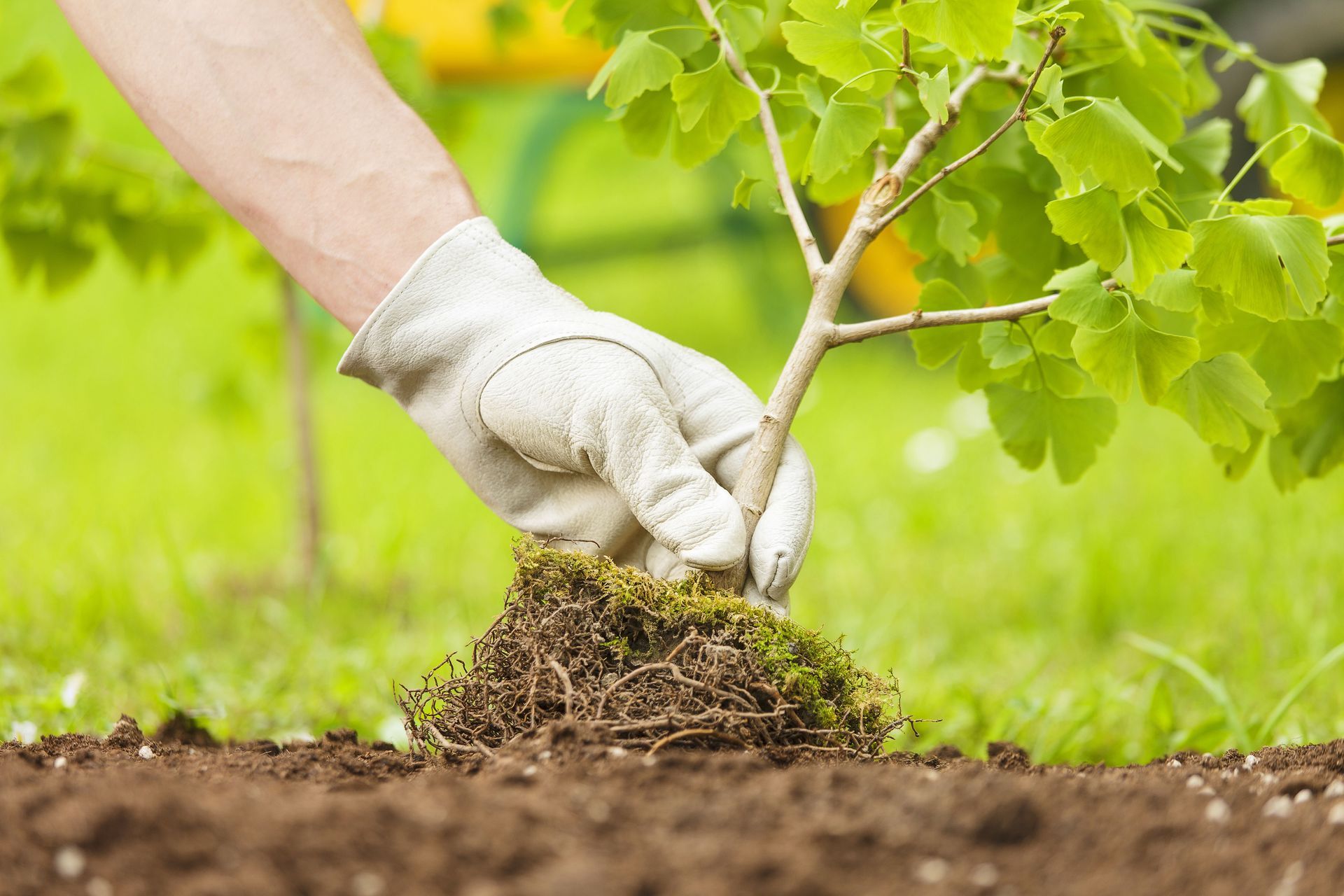
On moving day, the tree is carefully excavated with a root ball intact. Specialized machinery lifts and transports the tree to its new location, where a prepared hole awaits. Proper placement, soil composition, and stabilization are critical at this stage.
After relocation, ongoing care is essential. Watering schedules, mulching, and monitoring for stress symptoms help the tree adjust. A reputable tree relocation service emphasizes aftercare as much as the move itself.
Considering Costs and Value
Cost is often a primary concern for homeowners exploring relocation. Pricing varies based on tree size, distance moved, equipment required, and site accessibility. While relocation is typically more expensive than removal, it may offer long-term value that offsets the initial investment.
Preserving mature trees can enhance property appeal and resale value. Large, healthy trees contribute shade, privacy, and curb appeal that take years to replicate through new planting. In some cases, relocation may also help homeowners avoid regulatory penalties tied to tree removal. Weighing cost against value helps homeowners decide whether relocation aligns with their priorities and budget.
Understanding Risks and Limitations
Even with professional care, tree relocation carries risks. Not all trees survive the process, and some may experience long-term stress or decline. Species sensitivity, root damage, and environmental changes all play a role.
Homeowners should be aware that success isn’t guaranteed. Clear communication with providers about survival rates, warranties, and follow-up care is important. Asking detailed questions helps set expectations and reduces surprises later.
Recognizing these limitations doesn’t mean relocation isn’t worthwhile. Instead, it allows homeowners to approach the decision with clarity and preparedness.
Preparing Property for Relocation
Preparation extends beyond the tree itself. Homeowners may need to adjust irrigation systems, clear access paths, or coordinate with neighbors if equipment must cross property lines. Underground utilities should be identified to prevent damage during excavation.
The new planting site also requires preparation. Soil quality, drainage, and sunlight exposure should match the tree’s needs as closely as possible. Proper planning increases the likelihood that the tree will thrive after relocation.
Working with a tree relocation service that addresses these details helps streamline the process and reduce complications.
Comparing Relocation to Removal and Replacement
When faced with a problematic tree, homeowners often weigh relocation against removal and replacement. Removal is usually faster and less expensive upfront, but it permanently eliminates the benefits of a mature tree. Replacement trees may take decades to provide similar shade and visual impact.
Relocation preserves those benefits while adapting the landscape to new plans. It’s not always the right choice, but it offers a middle ground between doing nothing and starting over.
Understanding these trade-offs helps homeowners choose the option that best fits their long-term goals.
Selecting a Qualified Tree Service
Choosing the right provider is one of the most important decisions in the process. Experience with large trees, proper equipment, and knowledge of local conditions all matter. Homeowners should look for clear explanations, realistic timelines, and transparent pricing.
A qualified tree relocation service should be willing to assess risks honestly rather than promise guaranteed success. They should also provide guidance on post-relocation care and signs of potential issues.
Taking time to select the right service improves outcomes and protects both the tree and the property.
Supporting Tree Health After Relocation
Post-relocation care often determines long-term success. Trees may show signs of stress such as leaf drop, slowed growth, or discoloration. Consistent watering, mulching, and monitoring help address these challenges.
Homeowners play an important role during this phase. Following care instructions and responding promptly to changes can make a significant difference. Some services offer follow-up visits to assess progress and adjust care plans.
Understanding that relocation is a process, not a single event, helps homeowners stay patient and proactive.
Recognizing Long-Term Landscape Benefits
Successfully relocated trees often become focal points in redesigned landscapes. They provide continuity, preserving a sense of maturity even as properties change. For homeowners who value established greenery, this continuity can be especially meaningful.
Over time, relocated trees can adapt fully to their new environment and continue growing for decades. Their presence supports local ecosystems and contributes to neighborhood character.
Tree relocation service gives homeowners a way to adapt their properties without losing the benefits of established trees. With proper planning, realistic expectations, and professional care, relocation can be a meaningful investment in both property and environment. If you’re considering changes to your landscape, taking time to explore this option can help you move forward with clarity and purpose. Contact Alfaro Tree Sales Inc to learn more and get started today!

Share On: