
The Role of Tree Planting Services in Maintaining Your Neighborhood’s Air Quality and Value
March 13, 2026
Tree planting services have become vital as urban areas expand and green spaces diminish, providing both ecological and economic benefits. By improving air quality and enhancing property values, trees play a key role in creating healthier, more sustainable living environments. They absorb pollutants, regulate temperatures, and contribute to the beautification and livability of neighborhoods, making areas more attractive and vibrant. Mature trees, in particular, increase property values and foster community pride, demonstrating that greenery is not merely decorative but a strategic investment in long-term well-being. By integrating trees into urban planning and maintaining them where they are most needed, tree planting services help counteract the impacts of urban sprawl and lay the groundwork for a healthier, more resilient future. Communities that prioritize tree planting also encourage social cohesion, as green spaces provide residents with areas for recreation, relaxation, and connection with nature.
The Impact of Trees on Air Quality
Absorption of Air Pollutants
Trees improve urban air quality by absorbing pollutants such as carbon dioxide, sulfur dioxide, and nitrogen oxides while trapping particulates and dust on their leaves and bark, reducing exposure to respiratory irritants. This natural filtration is especially valuable in high-pollution areas, where trees lower health risks by decreasing airborne contaminants. Urban streets lined with trees can reduce fine particulate concentrations by up to 60%, demonstrating their measurable effect on air quality. As a result, urban forestry and tree planting services are practical tools for improving public health and mitigating air pollution in cities.
Oxygen Production
Through photosynthesis, trees convert carbon dioxide and sunlight into oxygen, supporting atmospheric balance and cleaner air. This function is particularly important in dense urban areas where vegetation is limited and air quality is often poor. Trees help offset the effects of pollution by maintaining a steadier supply of clean air, which benefits both human populations and local wildlife. Urban planners increasingly prioritize tree planting as a proactive strategy for sustainable development, ensuring that new neighborhoods are both environmentally and socially resilient.
Particulate Matter Reduction
Trees reduce particulate matter by trapping fine particles on their leaves and bark, lowering exposure to pollutants linked to respiratory and cardiovascular disease and improving urban air quality. Because this natural filtration directly supports public health in high-pollution areas, tree planting is a practical urban health intervention. According to the USDA Forest Service, an average of 190,000 acres is reforested each year—about 60,000 through active planting and 130,000 through natural regeneration—highlighting sustained investment in expanding the air-cleansing benefits of trees. These efforts also help combat the broader effects of climate change by maintaining urban green cover that absorbs carbon emissions.
Temperature Regulation
Trees regulate urban temperatures through shade and transpiration, cooling the air and countering the urban heat island effect created by concrete and asphalt. This cooling lowers surface and ambient temperatures, reducing demand for air conditioning and the emissions tied to energy use. Neighborhoods with strong tree cover experience cooler, more comfortable outdoor conditions, which can improve residents’ quality of life and reduce heat-related illnesses. Shade from trees also limits heat absorption by buildings and roads, indirectly improving air quality. Strategic tree planting in heat-prone areas supports sustainable urban design and balances development with environmental protection.
Supporting Urban Wildlife
Trees provide essential habitat for birds, insects, and other urban wildlife, supporting biodiversity within city environments. By offering food, shelter, and nesting sites, trees help maintain ecological balance as urbanization reduces natural habitat. Urban wildlife supports pollination, seed dispersal, and natural pest control, which reduces reliance on chemical treatments that can degrade air quality. Prioritizing tree species that attract diverse wildlife strengthens ecosystem resilience and overall environmental health. Additionally, green corridors connecting parks, streets, and gardens allow wildlife to thrive, even in dense city centers. As a result, urban trees not only enhance neighborhood livability but also sustain the ecological systems cities depend on.
Economic Benefits of Tree Planting in Neighborhoods
Increase in Property Values
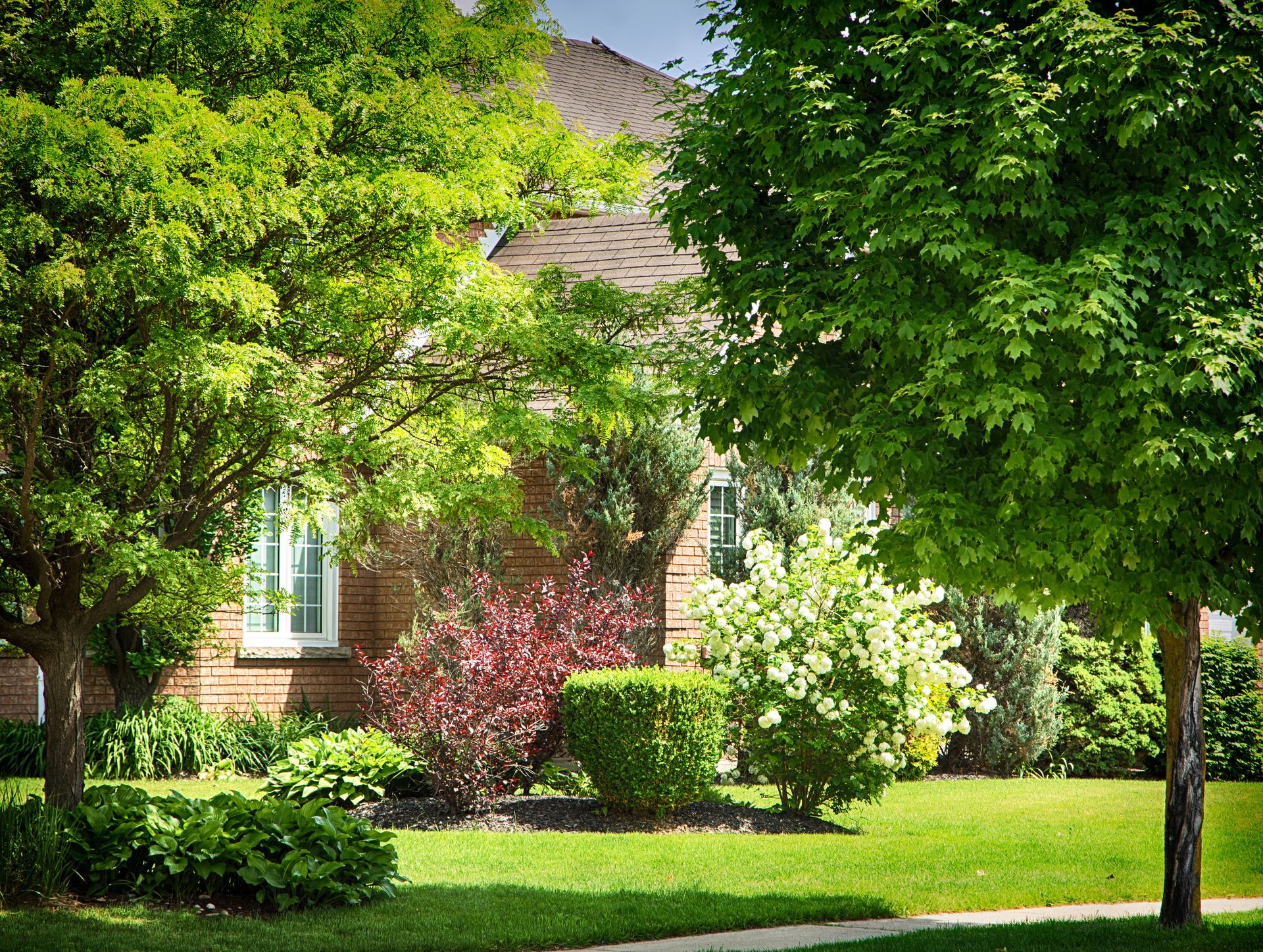
Mature trees increase property values by improving curb appeal and making neighborhoods more desirable in competitive real estate markets. Homes surrounded by trees are perceived as more attractive, influencing buyer decisions and overall neighborhood appeal. The aesthetic and environmental benefits of trees translate into tangible economic advantages for homeowners. Tree-lined streets and well-maintained green spaces strengthen neighborhood identity, attracting both residents and investors. Higher demand, stronger community pride, and long-term stability make trees a core part of sustainable real estate development.
Attracting Businesses and Investments
Greener neighborhoods attract businesses and investors, driving economic growth and diversification. Tree-lined areas offer aesthetic appeal, improved air quality, and pleasant environments that enhance the experience for residents, employees, and customers. These qualities make tree-rich locations prime for commercial development and urban revitalization. Higher occupancy rates, increased foot traffic, and stronger business attraction demonstrate the economic value of urban trees. By creating environments that appeal to both businesses and residents, tree planting services contribute to thriving, dynamic communities.
Reduction in Energy Costs
Trees reduce energy costs by shading buildings and cooling the air through transpiration, lowering the need for air conditioning in summer. This natural cooling saves residents and businesses money while also reducing carbon emissions from energy use. In colder months, trees act as windbreaks, protecting buildings from cold winds and reducing heating needs. These energy-saving benefits make tree planting a practical strategy for year-round comfort and sustainability. Communities that strategically plant trees around schools, hospitals, and office buildings can see substantial cumulative savings on energy bills.
Creating Job Opportunities
Tree planting initiatives create jobs in planting, maintenance, and education, supporting local employment and skill development. Municipalities and organizations hire arborists, landscapers, and urban foresters to manage and expand urban forests, strengthening community capacity. Beyond direct employment, tree planting drives business opportunities in horticulture, landscaping, and environmental consultancy, while stimulating innovation in tools and sustainable practices. Partnerships with universities and training programs further develop the workforce and expertise in urban greening. By fostering both employment and professional growth, tree planting services generate long-term economic and social benefits.
Municipal Cost Savings
Trees offer substantial savings for municipalities by reducing the need for expensive infrastructure and services. For example, trees naturally manage stormwater by absorbing rainfall and reducing runoff, minimizing the burden on stormwater management systems. This capacity to control water flow leads to cost savings on infrastructure projects such as sewer systems and drainage facilities. In addition, trees improve air quality and reduce urban heat, decreasing the demand for public health interventions related to pollution and heat stress. Municipalities that invest in tree planting gain an affordable, effective solution for building resilient, sustainable cities.
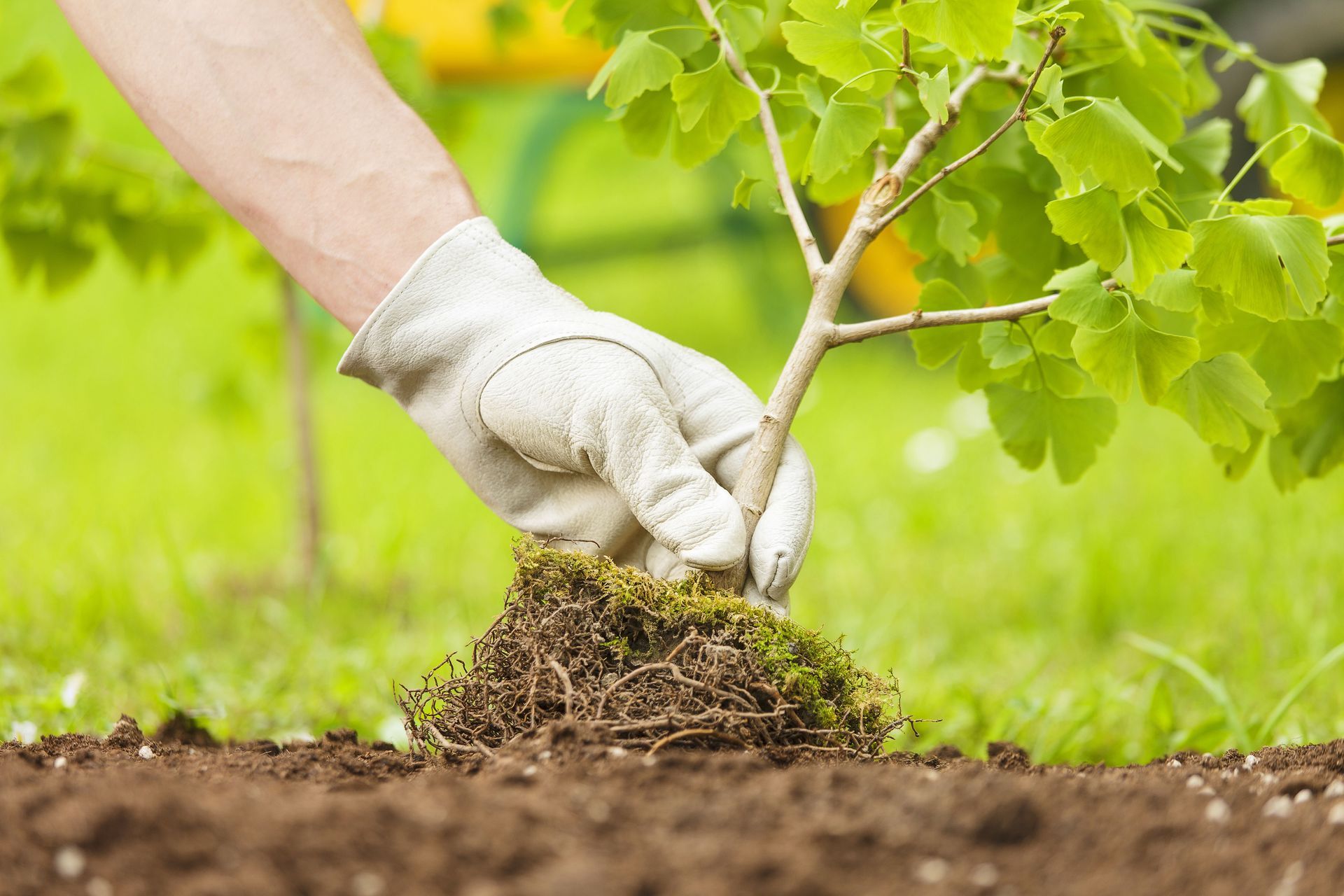
Tree planting services are essential for creating healthier, more sustainable urban environments. By improving air quality, producing oxygen, reducing particulate matter, and regulating temperatures, trees directly support public health and livability in cities. They provide habitat for urban wildlife, strengthen biodiversity, and contribute to ecological resilience. Economically, trees increase property values, attract businesses and investment, lower energy costs, create jobs, and reduce municipal infrastructure expenses. Integrating tree planting into urban planning not only enhances environmental quality but also delivers long-term social and economic benefits, making trees a vital investment in the well-being and resilience of urban communities. By prioritizing tree planting now, cities can ensure greener, healthier, and more prosperous futures for generations to come.
Enhance air quality, boost property values, and support urban wildlife with Alfaro Tree Sales Inc’s expert tree planting services. Create healthier, more vibrant communities by contacting us today to get started!
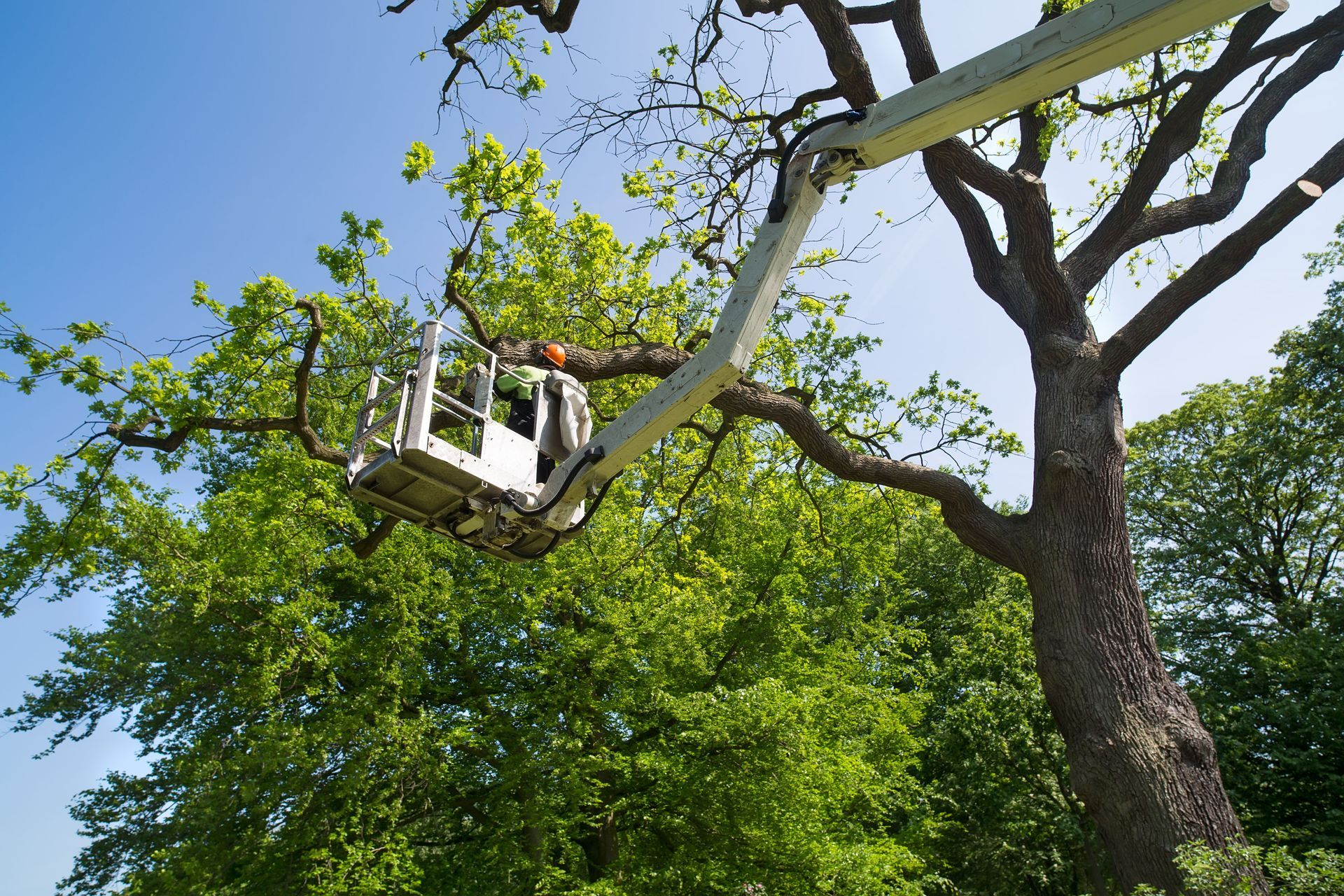
Boost curb appeal and property value with professional tree services that enhance landscape beauty, improve safety, and support long-term growth.
Are you trying to make the trees on your property healthier? Here is how you can maximize your tree health with tree relocation services. Read on to learn more.
Navigating tree sales requires considering tree types, supplier reputation, preparation, and care to achieve your landscape goals effectively.
Share On: