
How to Maximize Tree Health With Professional Tree Relocation Services
Tree relocation is a specialized process that involves moving mature trees from one place to another while protecting their long-term health. Whether driven by construction, landscape redesign, or conservation efforts, tree relocation services allow communities and property owners to preserve valuable trees without sacrificing progress. Professional tree relocation services ensure this complex task is executed safely, efficiently, and with the least amount of stress placed on the tree.
With ongoing development in urban and suburban environments, preserving established trees has become increasingly important. Instead of removing them, tree relocation services provide a sustainable solution that maintains canopy coverage, ecological benefits, and aesthetic value. Because the process involves risks such as root damage and transplant shock, trained specialists are essential. This guide explains how professional tree relocation services work, how tree health is evaluated, and why choosing the right provider is crucial for long-term success.
Understanding Tree Relocation
What Tree Relocation Involves
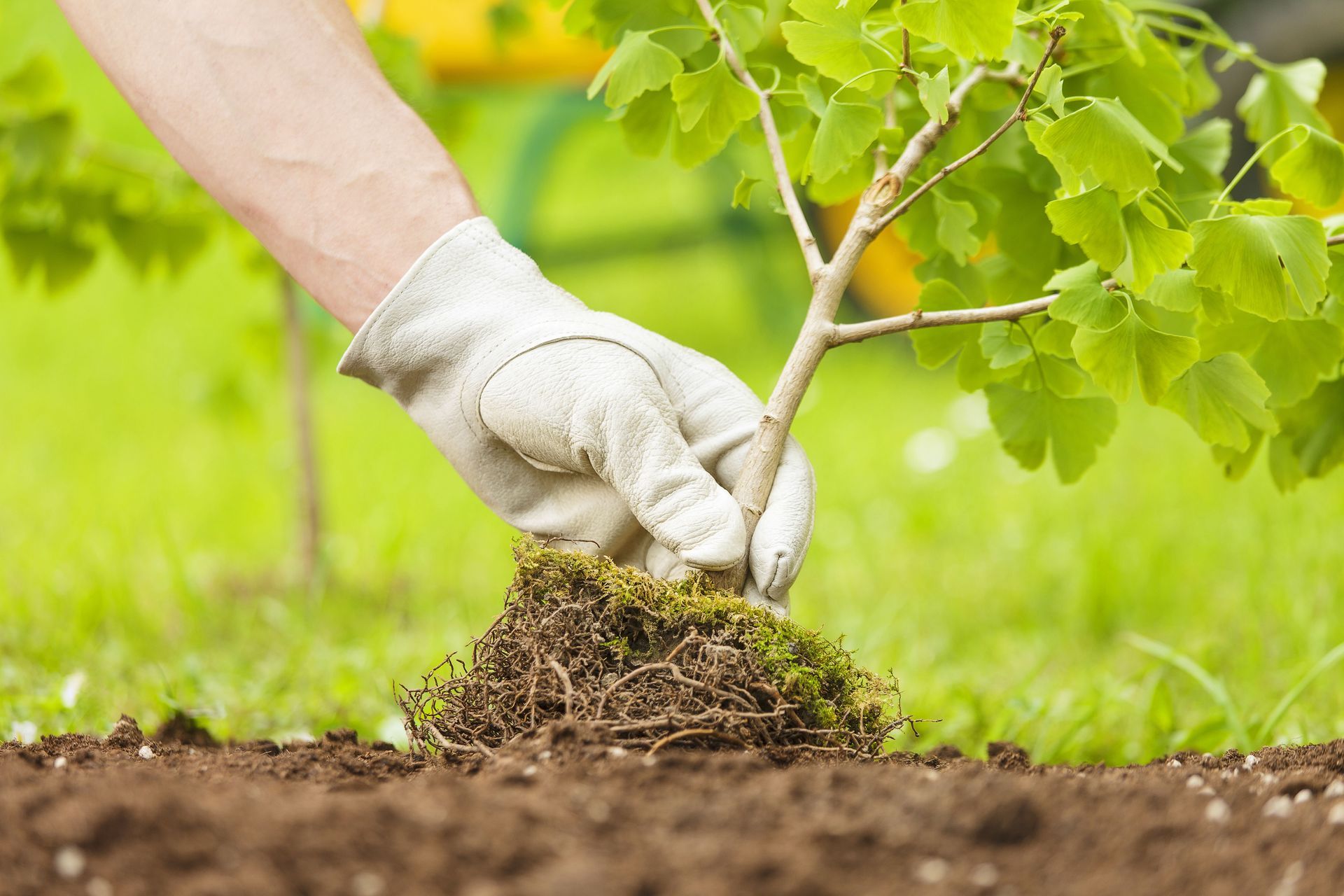
Tree relocation is the controlled excavation, transport, and replanting of a tree while preserving its structural integrity. Professionals offering tree relocation services rely on horticultural knowledge, mechanical equipment, and strategic planning to reduce the strain of this transition. The primary goal is to protect the trunk, crown, and—most critically—the root system from unnecessary stress.
Reasons Trees Are Relocated
Trees are commonly relocated during construction or landscape redesign. Tree relocation services are also used when a current site lacks proper drainage, sunlight, or soil structure. Relocating trees supports conservation efforts, protects unique species, and helps preserve the landscape’s ecological balance.
Misconceptions About Tree Relocation
Many people mistakenly believe that any tree can be moved with basic tools. In reality, tree relocation services require hydraulic spades, cranes, soil preparation, and expert planning. Another misconception is that all trees handle relocation equally well. Species tolerance, age, and health significantly influence success. Finally, some assume relocated trees need minimal aftercare, but structured monitoring is essential.
Benefits of Hiring Professionals
Tree relocation services provide scientific evaluation, strategic planning, and advanced tools to protect tree vitality. Professionals assess root structure, soil conditions, environmental needs, and species-specific factors before digging. After replanting, trained technicians support the tree through irrigation plans, soil amendments, bracing, and pest monitoring to maximize survival.
Assessing Tree Health Before Relocation
Initial Health Evaluation
Arborists examine trunk condition, bark quality, leaf density, and growth patterns to determine readiness for relocation. A thorough evaluation ensures weaknesses are addressed before the move.
Recognizing Stress Indicators
Leaf discoloration, weak branch unions, premature leaf drop, or root instability may signal stress. Identifying these issues early gives arborists time to strengthen the tree before relocation.
Soil and Root Analysis
Soil testing identifies pH, nutrient content, and texture. Root analysis allows arborists to evaluate root density and health. Root pruning may be recommended to help the tree develop a compact root system capable of surviving the move.
Environmental Evaluation
Lighting, moisture levels, temperature, and competition all influence a tree’s ability to adapt. Evaluating these factors determines whether the new location can support long-term health.
Pre-Relocation Optimization
To prepare the tree for relocation, arborists may prune dead branches, apply soil amendments, treat pests, and conduct root pruning. These steps strengthen the tree and improve its chances of successful establishment after the move.
Choosing the Right Professional Services
How to Evaluate Providers
Experience, equipment quality, certification, and clear communication are essential when selecting a provider. Companies offering tree relocation services should provide detailed explanations of their process and offer comprehensive aftercare.
Credentials and Certifications
Look for companies that employ certified arborists trained through ISA, TCIA, or other recognized organizations. These credentials demonstrate adherence to industry best practices.
Reviews and Client Feedback
Client testimonials offer insight into reliability and service quality. Consistent positive feedback suggests strong performance and dependable results.
Capabilities and Equipment
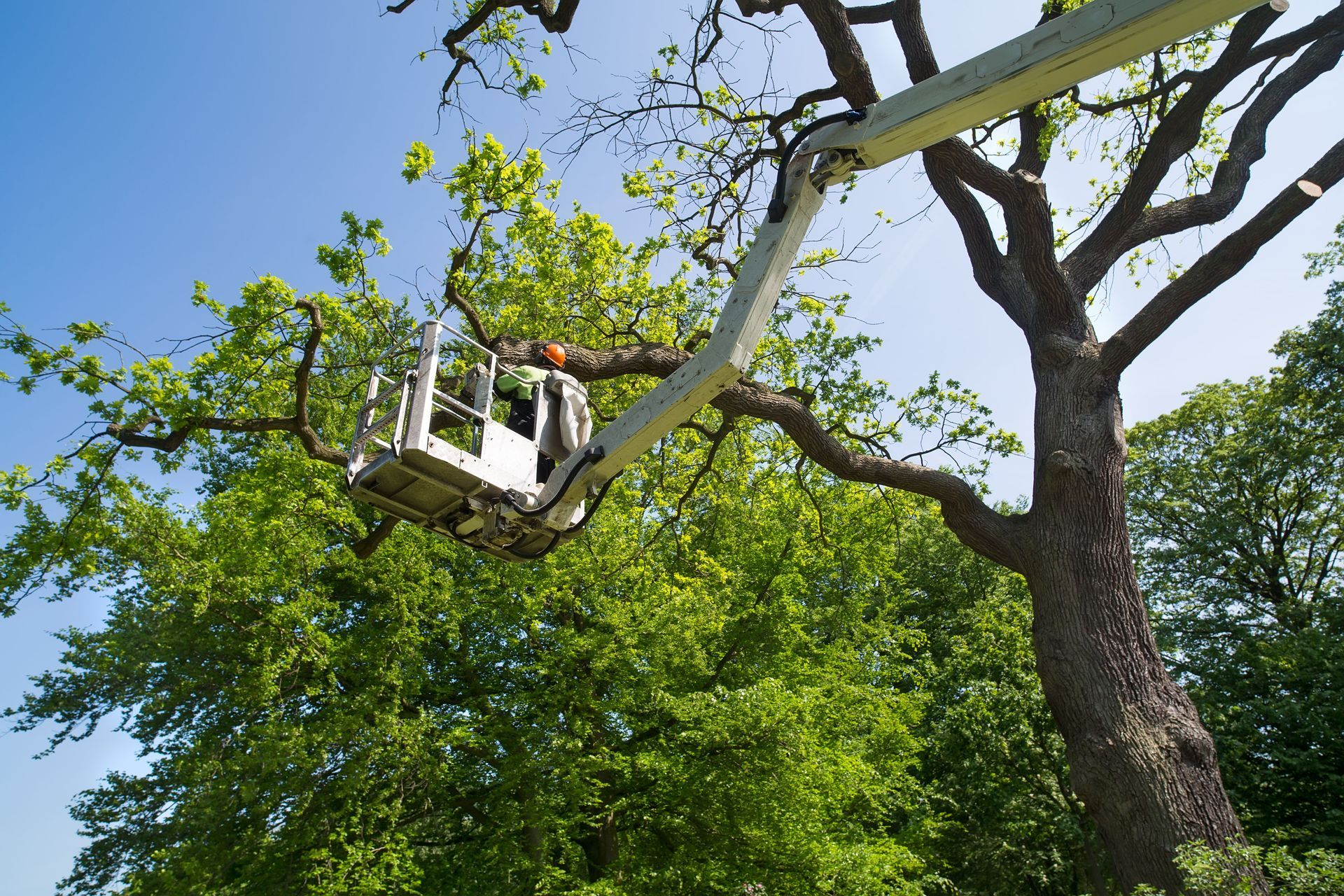
Hydraulic tree spades, large-scale cranes, and stabilized transport vehicles are essential for successful relocation. A qualified company should have appropriate tools for the size and species of the tree.
Understanding Costs
Costs vary based on tree size, species, distance, and site difficulty. Detailed estimates should explain every stage of the relocation process and outline aftercare services. While pricing matters, the long-term value comes from choosing an experienced and meticulous provider.
Preparing for Tree Relocation
Site Preparation
The new planting location must offer proper soil depth, drainage, sunlight, and space for canopy and root expansion. Soil amendments may be added to strengthen nutrient levels. According to Bob Vila, an online home improvement resource, a newly-planted tree's planting hole should be covered with one to three inches of mulch. This mulch layer helps regulate soil moisture, control weeds, prevent erosion, and buffer temperature changes. Providers delivering tree relocation services also evaluate nearby vegetation and irrigation access to reduce competition and support early root establishment.
Equipment and Technology
Modern relocation relies on hydraulic tree spades, cranes, loaders, and protective materials. These tools help maintain root integrity, stabilize the trunk, and reduce shock during transport. GPS-guided equipment is sometimes used on large properties to map precise relocation zones, while soil moisture technology helps arborists determine when conditions are ideal for digging and replanting.
Post-Relocation Care
Arborists may also apply biological stimulants to encourage new root growth. If the tree shows signs of transplant shock—such as drooping leaves or sparse canopy growth—corrective steps such as soil conditioning, targeted watering, or pest control may be applied immediately. Regular inspections help identify subtle signs of stress that property owners may overlook.
Long-Term Health Strategies
Even after a tree adjusts to its new location, long-term maintenance helps sustain its health. Seasonal pruning, soil conditioning, and root evaluations encourage strong growth and protect against disease. Relocated trees benefit from annual arborist assessments to monitor structural integrity and canopy development.
In areas with extreme temperatures, irrigation patterns may need adjustment during summer heatwaves or winter dormancy. Supplemental fertilization can restore nutrients lost during the relocation process. Ultimately, long-term monitoring ensures the relocation investment continues paying environmental and aesthetic dividends for decades.
Additional Considerations for Successful Relocation
The timing of relocation plays a crucial role in success. Most trees experience the least stress when moved during dormancy, usually late fall or early spring, when metabolic activity is reduced. However, some species tolerate relocation better during specific seasons, and arborists tailor timing based on tree type and climate conditions.
Another factor to consider is root ball size. Larger root balls generally increase survival rates, as they preserve more feeder roots responsible for water and nutrient uptake. However, larger root balls require heavier equipment and more precise planning. Evaluating access paths, underground utilities, overhead lines, and soil stability ensures the relocation site is safe and accessible.
Tree relocation is a valuable strategy for preserving mature trees while supporting sustainable land development. When performed correctly, relocation protects both the structural health and ecological benefits of established trees. The careful planning, scientific evaluation, and advanced equipment used by professionals ensure that relocated trees have the best chance of thriving in their new environment.
By following structured preparation steps, applying thoughtful aftercare, and prioritizing long-term monitoring, property owners can enjoy the beauty and environmental value of mature trees for decades. Tree relocation is a powerful commitment to environmental stewardship, ecological preservation, and responsible landscape planning. If you're in need of tree relocation services, work with Alfaro Tree Sales Inc. Call us today to learn more.

Share On: